Black Tea – The Kenyan Classic
Bold, timeless, and deeply comforting , Black Tea is the world’s most loved tea for a reason. Carefully crafted from the Camellia sinensis leaf and naturally oxidized, it delivers a rich flavor profile while unlocking powerful antioxidants that support everyday wellness.
For over 5,000 years, tea has been cherished for its restorative qualities. Our black tea captures that legacy in every cup, offering a smooth, energizing brew that awakens the senses while quietly nourishing the body.

Powerful antioxidants called theaflavins help manage cholesterol levels and support healthy blood circulation, contributing to a stronger cardiovascular system.
▪ Helps Reduce Stroke Risk
Regular tea drinkers have been shown to experience a lower risk of stroke, thanks to the protective compounds that support healthy blood vessels.
▪ Enhances Focus & Mental Clarity
Black tea contains caffeine balanced with L-theanine, creating a calm, steady alertness that sharpens concentration without the jitters of coffee.
▪ Supports Healthy Blood Sugar Levels
Naturally helps regulate blood glucose levels and improves how the body processes sugar, especially after meals.
▪ Rich in Disease-Fighting Antioxidants
Polyphenols in black tea help combat oxidative stress and support the body’s natural defense systems against chronic illness.
▪ Promotes Longevity & Overall Wellness
Research shows that regular black tea consumption is associated with a lower risk of cardiovascular disease and improved overall health outcomes.
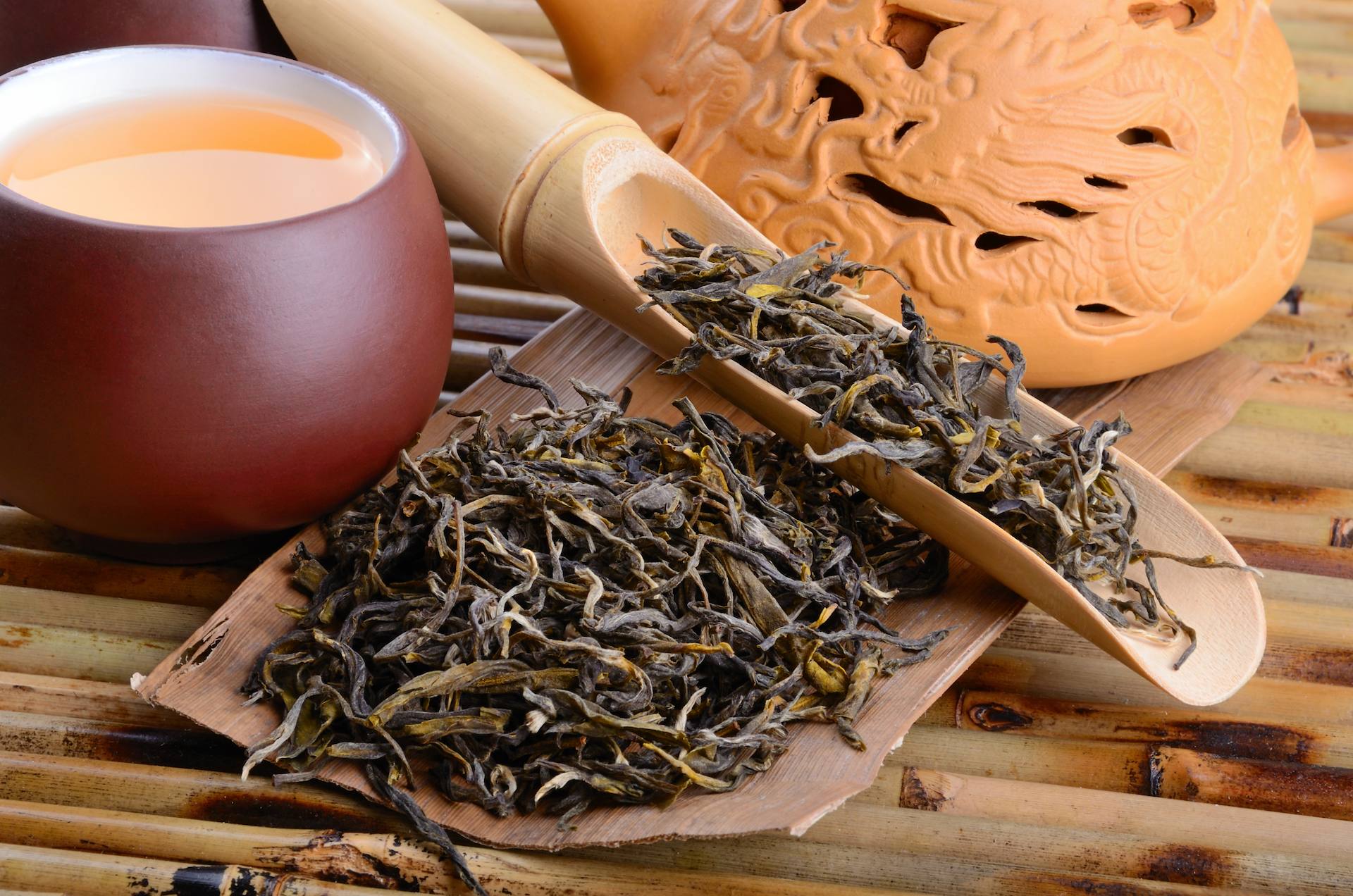

The Kenyan "Chai" Tradition: Why Our Black Tea is the World's Favorite Secret
Walk into any 5-star hotel in London or Dubai, and you’ll likely find Kenyan tea in their most expensive blends. But why is our "Chai" so coveted? ## The CTC vs. Orthodox Balance Kenya is famous for the "Crush, Tear, and Curl" (CTC) method, which creates a bold, fast-infusing tea perfect for the milk-heavy tea Kenyans love. However, the true innovation lies in our ability to produce deep **Theaflavins**—the golden-yellow pigments that give Kenyan tea its signature "briskness." ## Cardiovascular Logic Black tea is a heart-health powerhouse. Theaflavins have been shown to improve "endothelial function," which is the ability of your blood vessels to relax and contract. For a nation where cardiovascular concerns are on the rise, our morning cup of strong Black Tea is more than just a wake-up call; it is a heart-health insurance policy. ## Did You Know? Kenyan Black Tea contains up to 14% more antioxidant polyphenols than Black Tea from India or Sri Lanka. This is due to our equatorial sun, which keeps the tree in a constant state of productive growth throughout the year. ## Brewing for Success To get the most out of your Black Tea, brew it steeped in boiling water for exactly 4 minutes. This is the "sweet spot" where the heart-healthy theaflavins are at their peak concentration.

Diabetes in Kenya: How Black Tea Helps Stabilize Blood Sugar
Type 2 Diabetes is a growing health challenge in our communities. While diet and exercise are key, emerging research points to the role of Black Tea in stabilizing metabolic health. ## Improving Insulin Sensitivity Black tea is rich in **polysaccharides** and **polyphenols** that have been shown to mimic insulin activity. A study published in the *Asia Pacific Journal of Clinical Nutrition* found that consuming tea alongside a carbohydrate-heavy meal significantly reduced the "glucose spike" that typically follows. ## The Post-Meal Ritual In Kenya, we often drink tea after a meal. This is a brilliant biological habit. The tannins in the tea slow down the absorption of sugars in the gut, giving your pancreas more time to handle the load. ## Did You Know? Drinking black tea without sugar can significantly reduce systemic inflammation, which is the primary driver of diabetic complications. Replacing soda with iced plain Black Tea is one of the simplest life hacks for metabolic longevity. ## A Word of Advice Always consult your doctor, but consider your daily cup of mediFRESH Black Tea as a supportive partner in your journey toward better blood sugar control.
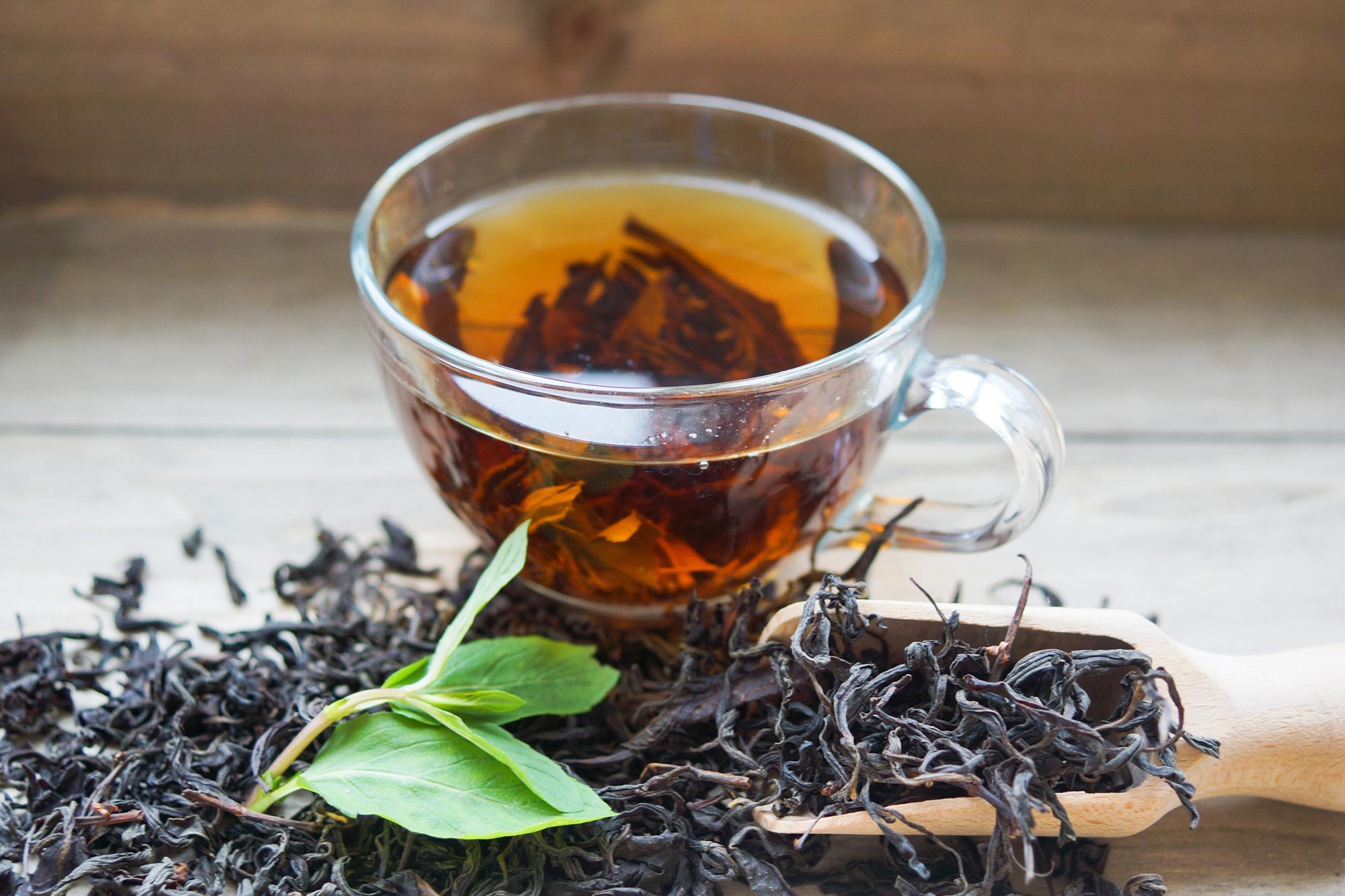
Cardiovascular Protection through Black Tea
The Heart Has a Favourite Drink ## The Statistics Every 33 seconds, someone in the world dies of cardiovascular disease. It is the single greatest killer of human beings — outpacing cancer, outpacing diabetes, outpacing every infectious disease combined. And while medicine has made extraordinary progress in treating cardiovascular events after they occur, the far more powerful opportunity lies in prevention — in the daily, cumulative choices that shift the biological environment away from risk before crisis arrives. Black tea has been consumed daily by billions of people for centuries, and for most of that time its cardiovascular benefits were understood intuitively, culturally, anecdotally. Now science has caught up, and what the research shows is not vague correlation. It is specific, mechanistic, and increasingly difficult to ignore. The compounds in black tea — particularly theaflavins and thearubigins, formed during the oxidation process unique to black tea production — act on the cardiovascular system through multiple documented pathways simultaneously, making a daily cup of well-brewed Kenyan black tea one of the most accessible and evidence-supported cardiovascular interventions available to anyone, anywhere. ## What Oxidation Creates and Why It Matters Black tea is the only tea that undergoes full oxidation — a enzymatic process that transforms the fresh green leaf into something chemically distinct from green, white, oolong, or purple tea. During oxidation, the catechins naturally present in the fresh leaf polymerise into theaflavins and thearubigins — larger, more complex compounds that are unique to black tea and carry their own powerful biological properties. Theaflavins, despite making up only 1 to 2% of black tea's dry weight, are responsible for the bright, brisk character of a well-made cup and are among the most potent cholesterol-lowering compounds found in any beverage. Thearubigins — deeper, darker, making up 10 to 20% of dry weight — are responsible for the rich amber colour and carry significant antioxidant and anti-inflammatory activity. Kenyan black tea, grown at high altitude on volcanic soil straddling the equator, produces leaves with elevated polyphenol density compared to lower-altitude origins — meaning the raw material going into oxidation is already exceptional, and what comes out the other side carries a more concentrated bioactive payload than most black teas sold anywhere in the world. ## The Cholesterol Evidence Is Overwhelming The relationship between black tea consumption and cholesterol reduction is one of the most consistently replicated findings in nutrition science. A landmark randomised controlled trial demonstrated that three cups of black tea daily reduced LDL cholesterol — the form most directly associated with arterial plaque formation and cardiovascular risk — by 7.5%, with total cholesterol falling significantly across the study population. Meta-analyses pooling data across multiple independent trials have confirmed reductions in LDL ranging from 7 to 14% with regular black tea consumption. The mechanism operates on two fronts simultaneously: theaflavins inhibit HMG-CoA reductase, the same enzyme targeted by statin medications, reducing cholesterol synthesis in the liver; and they bind to bile acids in the gut, reducing the amount of dietary cholesterol reabsorbed into the bloodstream. This dual action — reducing both production and absorption — is why the effect size in clinical research is meaningful rather than marginal. For context, a 10% reduction in LDL cholesterol is associated with a 20 to 30% reduction in major cardiovascular events over a ten-year period. The cup in your hand is doing measurable work. ## Blood Pressure, Blood Vessels, and Blood Flow Cholesterol is only one dimension of cardiovascular risk. Blood pressure — the persistent mechanical force against arterial walls — is equally significant, and black tea addresses it through a separate set of mechanisms. Theaflavins and thearubigins inhibit angiotensin-converting enzyme, or ACE — the same target as the ACE inhibitor class of blood pressure medications — relaxing blood vessel walls and reducing peripheral vascular resistance. A systematic review of randomised controlled trials found that regular black tea consumption produced statistically significant reductions in both systolic and diastolic blood pressure, with the effect most pronounced in people with elevated baseline readings. Beyond pressure, black tea's polyphenols improve endothelial function — the responsiveness of the cellular lining of blood vessels to the signals that cause them to dilate and contract. Endothelial dysfunction is now understood as one of the earliest and most consequential stages of cardiovascular disease, preceding arterial plaque by years or decades. By restoring endothelial responsiveness and increasing nitric oxide bioavailability — the molecule that tells blood vessels to relax — black tea is working at the level of prevention that matters most: before damage becomes visible, before symptoms appear, before the crisis that medicine scrambles to manage. ## A Daily Ritual With Generational Returns The cardiovascular benefits of black tea are not dramatic in any single cup. They are cumulative, systemic, and profound across time — which is precisely how the most meaningful health interventions work. Population studies tracking tea consumption across decades consistently show that regular black tea drinkers have lower rates of coronary artery disease, lower incidence of stroke, and better overall cardiovascular mortality outcomes than non-drinkers, even after controlling for diet, exercise, and socioeconomic factors. In Kenya, where rates of hypertension and cardiovascular disease are rising against a backdrop of rapid urbanisation, dietary change, and chronic stress, the daily cup of black tea is not a luxury or an indulgence. It is a tool — precise, affordable, culturally embedded, and backed by a body of clinical evidence that grows every year. Kenyan black tea carries the additional advantage of origin: grown at altitude, on mineral-rich volcanic soil, under equatorial light, it delivers a polyphenol concentration that few other origins can match. Drink it without milk to preserve the theaflavins. Drink it consistently. Drink it knowing that every cup is a quiet, cumulative investment in the organ that never gets a day off.
Steep Time: 3-5 minutes
Serving: Best enjoyed with a splash of milk or a slice of lemon.
Real Results
Customer Experiences
No reviews yet. Be the first to share your health journey with this blend!
Share Your Story
Your feedback helps others on their health journey. Submissions are reviewed for authenticity.